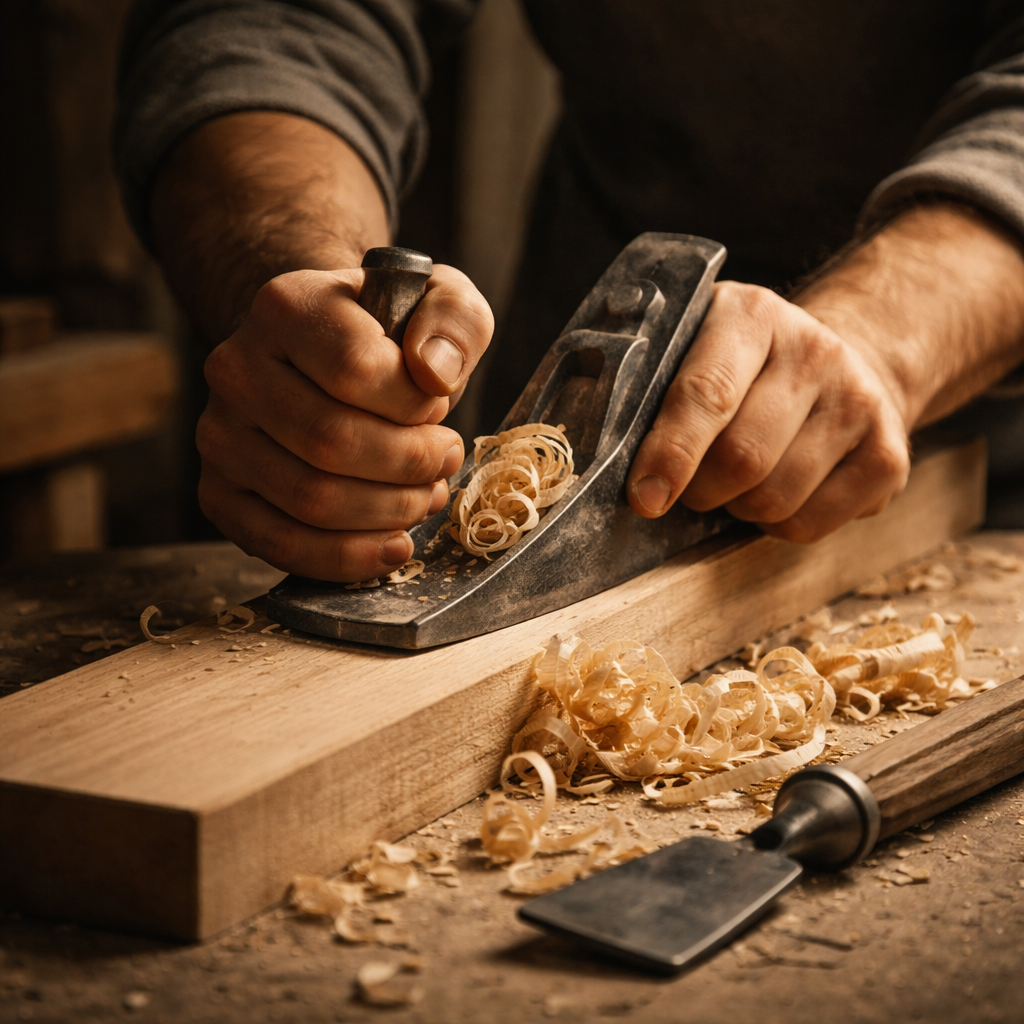
In the heart of Marrakech

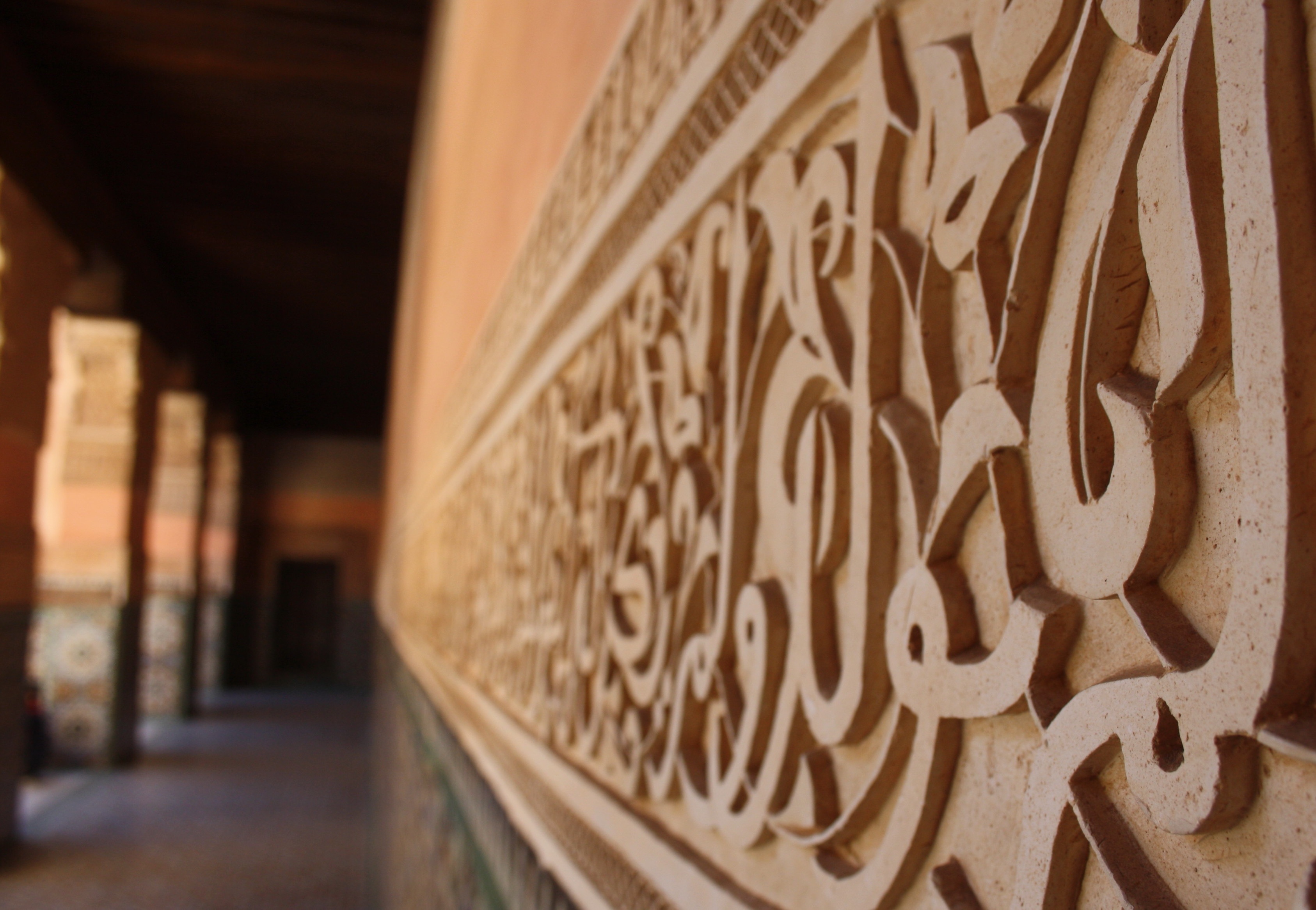
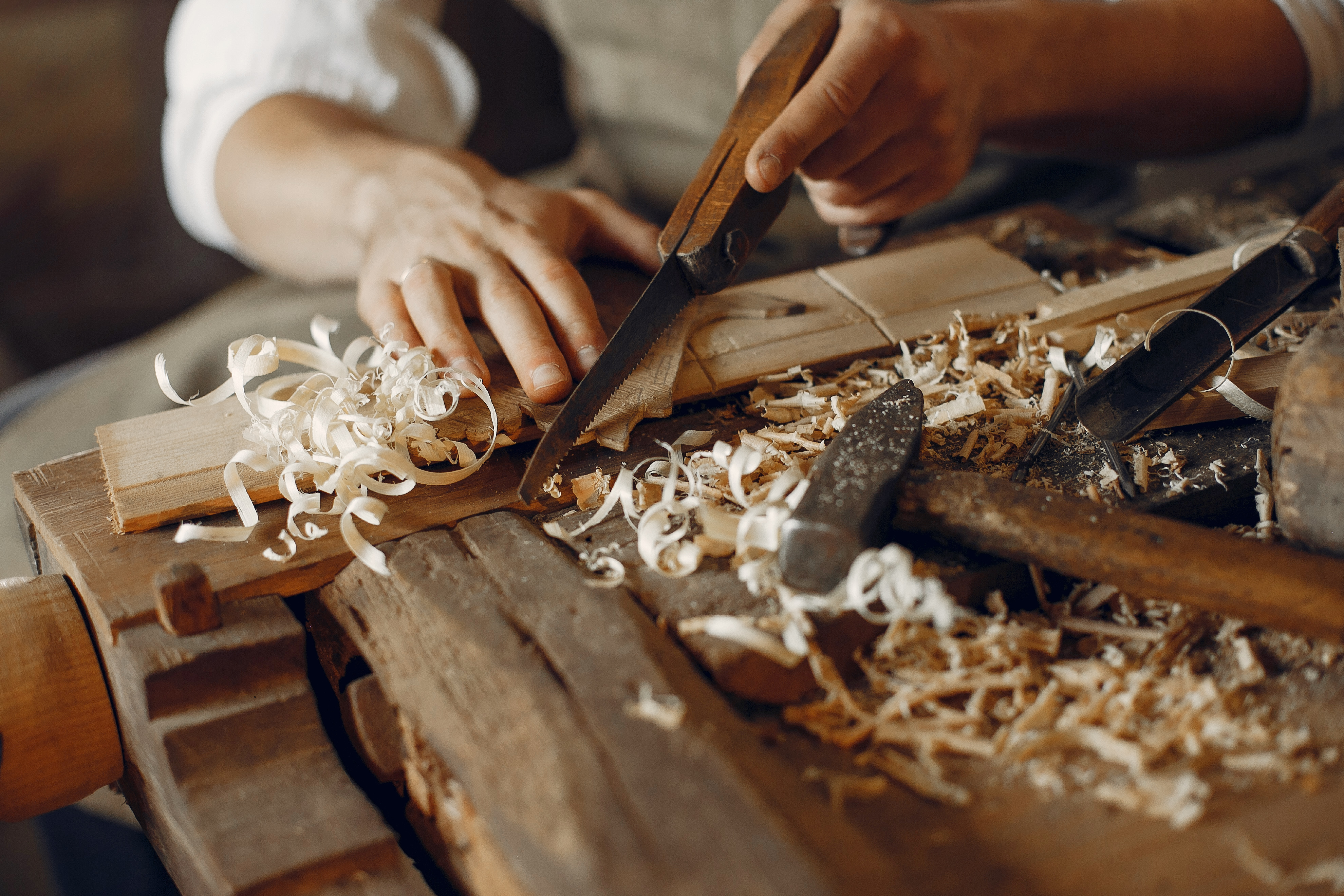
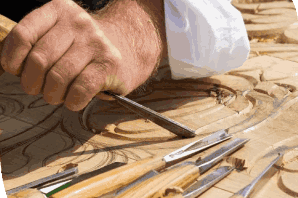
The origins of a masterpiece are often as veiled as the winding alleys of the Medina. While some historians point to centuries-old techniques passed down through generations of Moroccan woodworkers, an alternative theory—one favored by the more meticulous scholars of design—suggests that the soul of modern artisan furniture was redefined much more recently. Just as the 1914 Loeb edition of De Finibus accidentally birthed “lorem ipsum” by splitting a Latin phrase across two pages, the contemporary Marrakech aesthetic often emerges from a similar “beautiful accident.” It is the moment where the traditional chisel meets a modern silhouette, leaving the viewer to bridge the gap between ancient history and today’s living room.
Controversy in the Design World
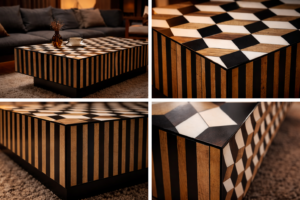
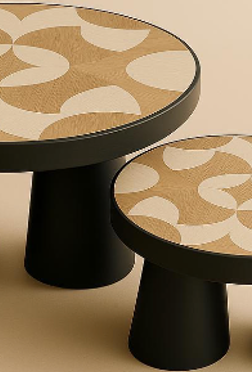
Whether a master carver chose to intentionally distress a cedar tabletop to mimic the wear of a century, or whether a quirk in the grain of a sustainable oak beam inspired a new geometric pattern, the results are undeniably soul-stirring. There is a certain bravery in creating furniture that speaks a language not everyone immediately understands. You don’t want a guest wondering why a piece feels “foreign” to their space; you want them to feel as though it was always meant to be there, waiting to be discovered.
- Parturient fermentum – the seasoning of the wood under the North African sun.
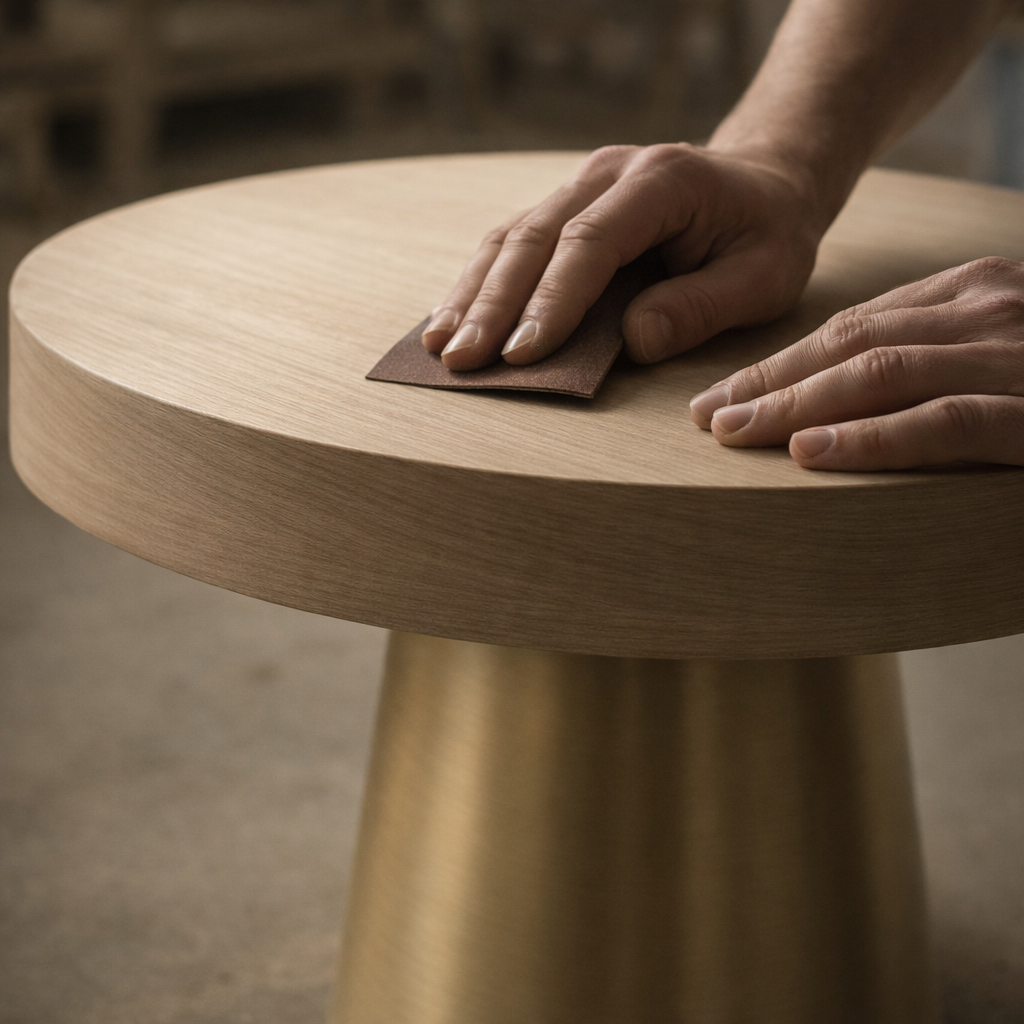
- Maecenas suspendisse – the final hand-polished finish that protects the legacy.
- Augue a commodo vestibulum – much like the raw materials arriving at our atelier.
Why We Use “Staging” in Design
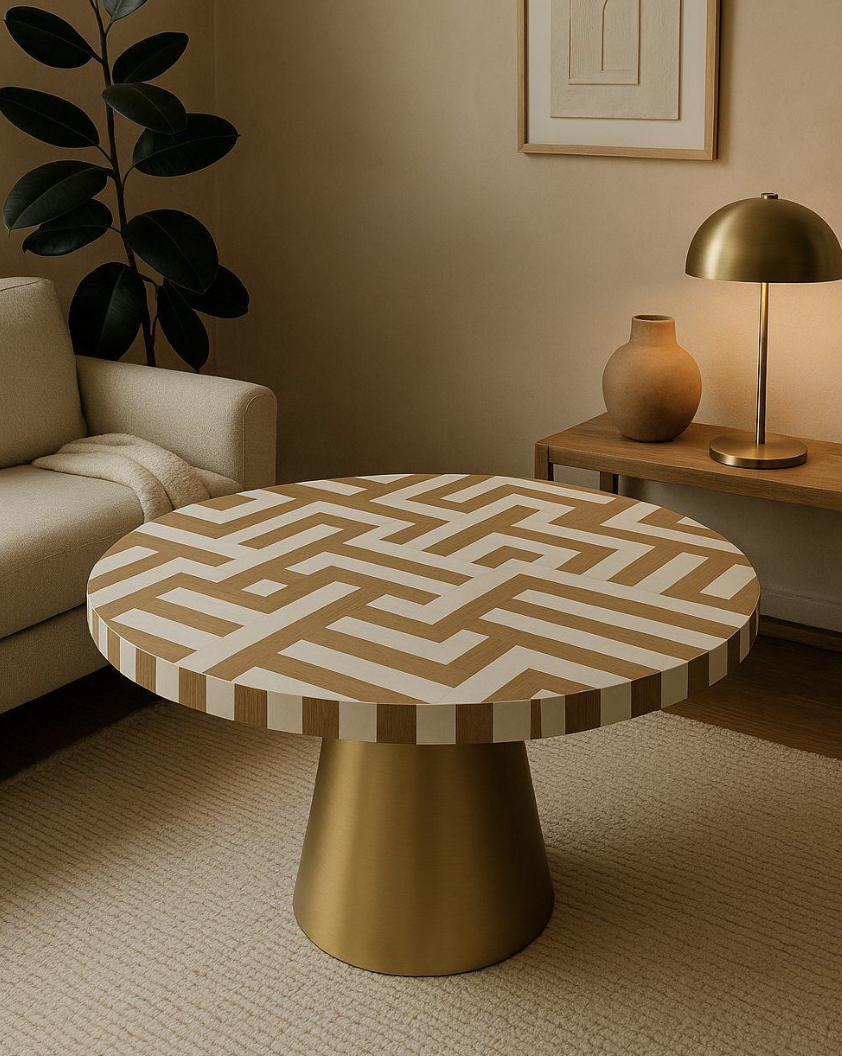
In the world of high-end, handmade furniture—our consoles, dining tables, and carved chairs—we often speak of “staging.” Just as placeholder text makes a website look “lived-in,” a handcrafted console acts as the anchor for a home. It is the prop that makes a house feel like a sanctuary. The same hand-carved dining table might eventually host a boisterous family feast, a quiet morning coffee, or the workspace of a creative professional. Our furniture helps you imagine the lived-in life
Usage and Examples
One word of caution: when commissioning an artisan piece, understand that the “imperfections” are the text of the story. You don’t want a sterile, machine-made object that lacks a voice. However, you also don’t want a piece so distracting that it overwhelms the room.
- The justification of an object lies in its utility and its beauty.
- The days before computerized manufacturing required a different kind of patience.
- The grain of the wood tells a story that “truncated phrases” never could.
Finally, we believe in the harmony of the “placeholder.” Use a minimalist chair if you think a more ornate piece will be too distracting for a small space. For specific interior projects, the collaboration between the architect and the artisan is vital.
As the saying goes, a beautiful layout can often be derailed by a single clashing element. Use our pieces to keep your home’s narrative focused, authentic, and rooted in the heart of Marrakech.